Why the length of a cotton fibre decides how a knit feels, pills and ages — and what to look for on a label.
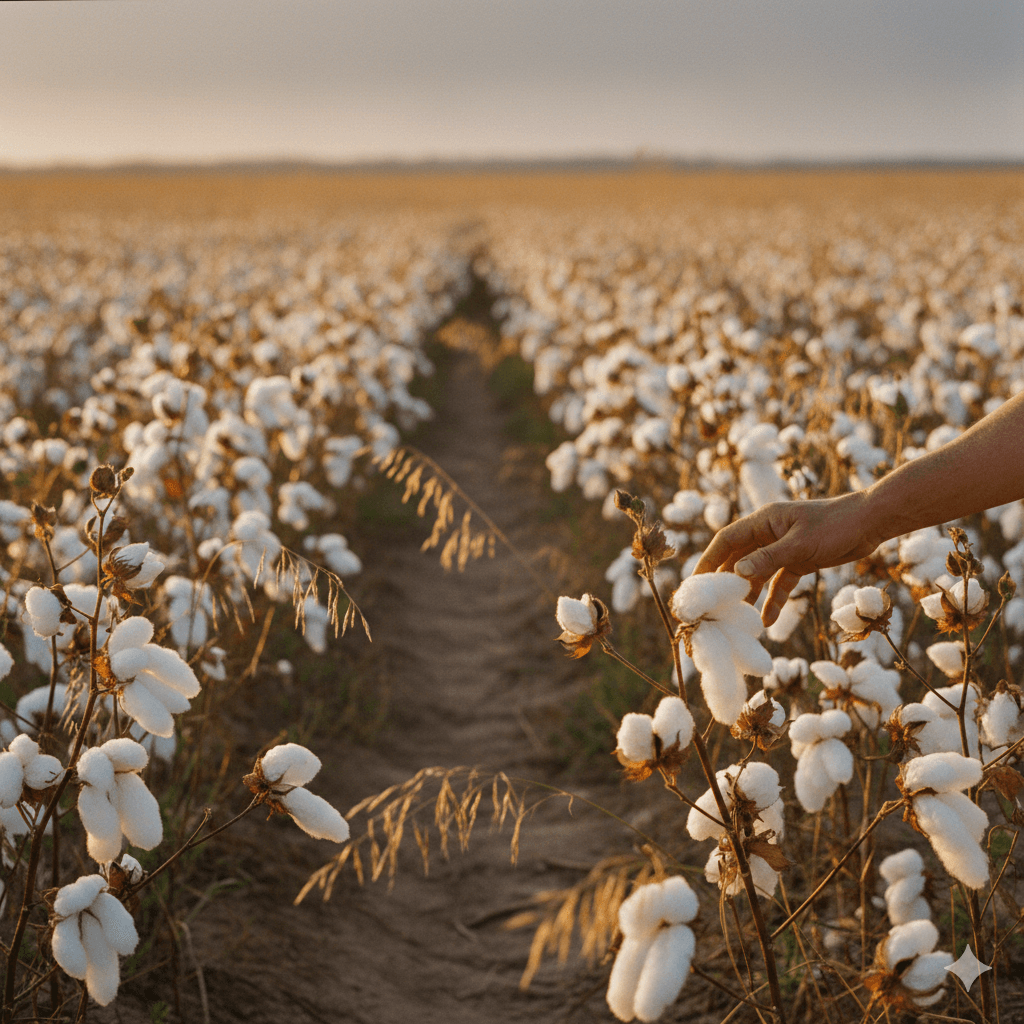
Cotton arrives at a spinner as a soft cloud of fibres, each one a single plant cell. How long those cells are — the staple length — quietly decides almost everything about the yarn that follows.
Long fibres, fewer loose ends
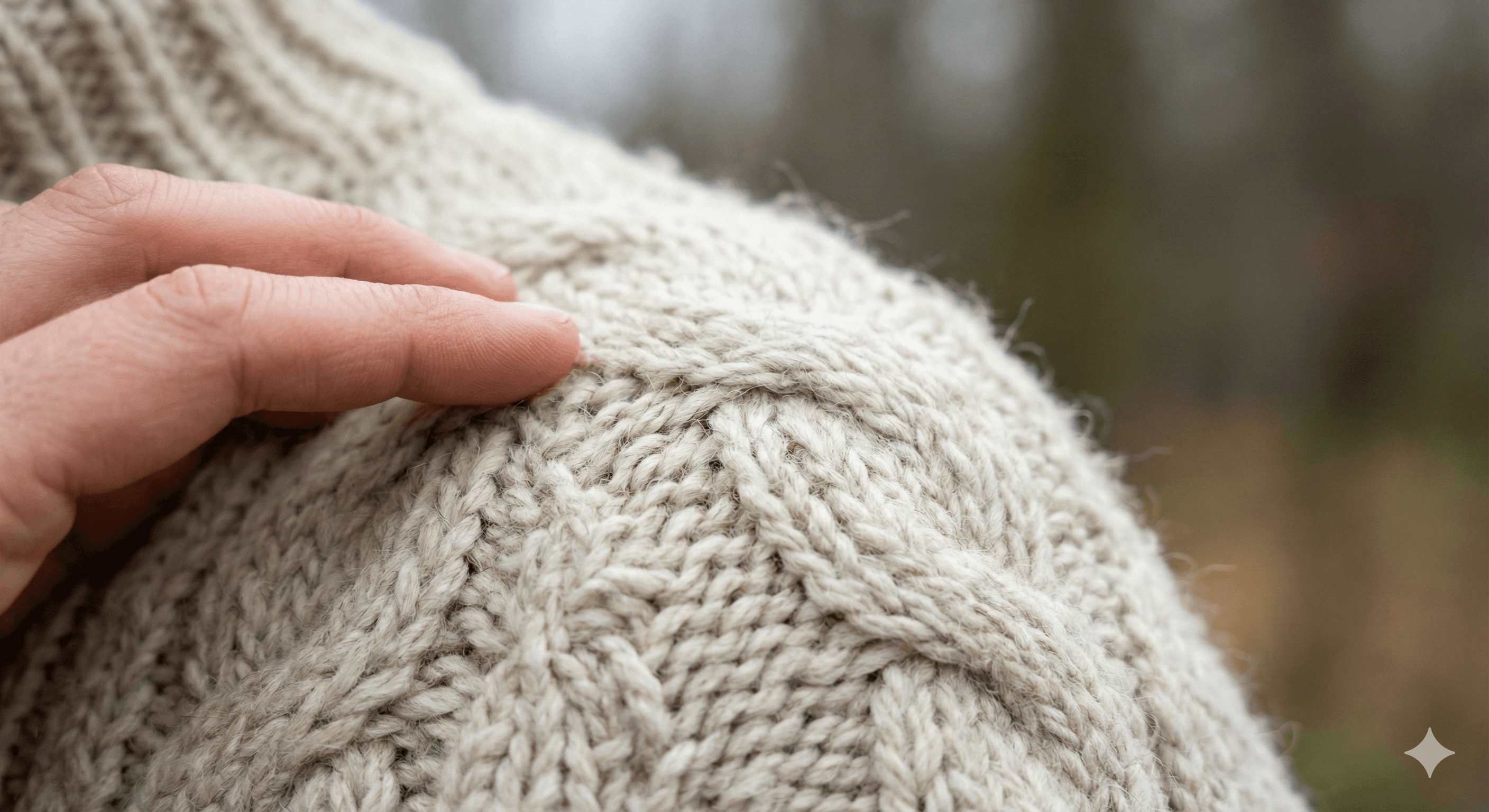
Longer staples can be twisted together with fewer fibre ends poking out of the yarn. Fewer ends means a smoother surface, a little natural sheen and less pilling, because there is less loose fibre to roll into little balls with wear.
Shorter staples need more twist to hold together, which can make a yarn feel firmer and duller. Neither is wrong — but for knitwear that sits against the skin, length is worth paying attention to.
A good yarn is mostly decided before it is ever spun.
Blends that earn their place
A touch of silk adds drape and a soft lustre; cashmere adds warmth and a halo of softness; merino brings bounce and temperature control. We blend only when the second fibre changes how a piece wears, never to hit a price.
Reading the label
Look for the fibre names and their percentages, then the care line. A knit that asks for a cold, gentle wash and flat drying is telling you it was made to be kept — follow it and the piece will reward you for years.